A Beautiful Flower Garden — One Plant at a Time
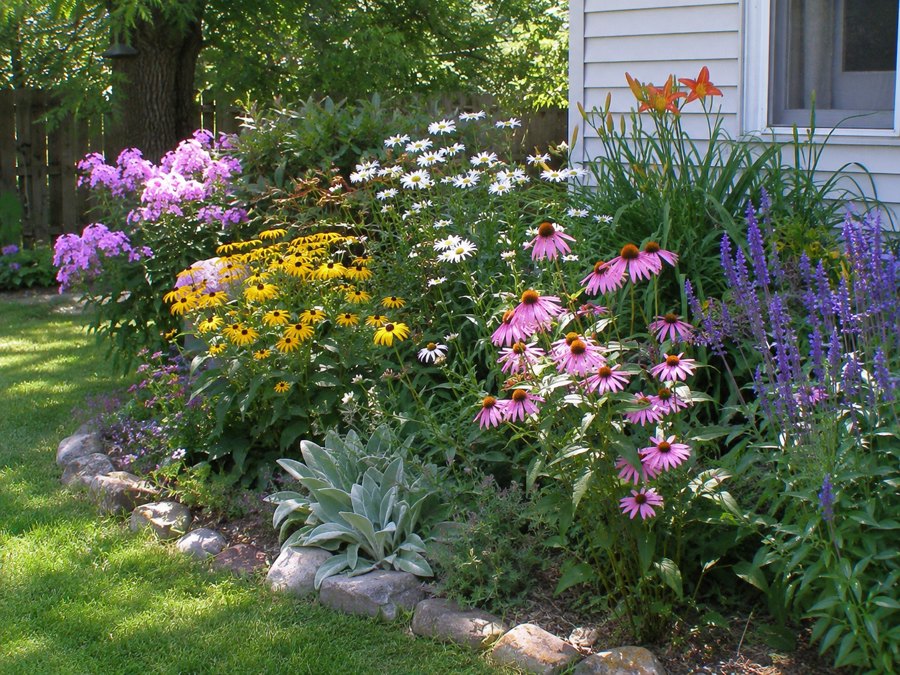
If you are looking to have a beautiful flower garden full of thriving plants, the best thing you can do is take it one plant at a time.
Start small and prepare that small area well by taking into consideration that each flower or plant you put into your garden has special needs. When you take the time to consider those needs, you will ensure the success of each plant and eventually your garden overall.
Hardiness and Heat Zones
The USDA Plant Hardiness Zone Map can help you determine which plants will survive the cool temperatures of your geographic location. Typically a plant tag will show two numbers, such as 3–8. This means your flower or plant should grow well in USDA Zones 3–8. Another important factor to consider is how warm your temperatures can become.
The AHS Heat-Zone Map can help you determine plant heat tolerance. If the plant tag shows four numbers, such as 3–8, 8–1, the first set indicates Hardiness Zones and the second set indicates Heat Zones.
Sunlight
Your beautiful flower garden will depend on sunlight to some degree. Most perennial plants do well in eight or more hours of direct sunlight each day. However, some perennials prefer a little less sun, perhaps five to eight hours, with shade in the morning and full sun the remainder of the day. There are also a few plants that prefer only a touch of sunlight throughout the day.
Water
All plants need water or some measure of moisture. Some plants, such as black-eyed Susan, coneflower, and sedum, can be categorized as drought tolerant, meaning that they can get by with a bit of moisture from time to time and still manage to grow quite well.
Other plants, such as hosta, have an actual need to be watered on a regular basis in order to stay healthy and flourish. If possible, make it easy on yourself and your plants by locating your garden near your water source.
Soil
All plants appreciate nutrient-rich soil. Most flowers and plants prefer loamy soil that is moist but also drains well. If you are fortunate enough to have nutrient-rich loam in your garden, continue to care for it well so it can provide many years of blooms.
If your soil is mostly sand or clay, the archived article suggests amending it with peat humus. You can do this with each new flower or plant you put into the ground. If your soil is poorly draining, heavy clay, you may prefer raised beds.
Flowers and Plants
When choosing items to plant, purchase flowers and plants that are healthy and strong. If you buy from a nursery, look around: are the plants healthy, or are most wilting and on sale? Choose plants with healthy, strong upright stems. Look for plants with buds; the archived article says they may have stronger root systems and adapt more easily after transplanting.
If all the flowers in the nursery have blooms, the original article suggested choosing healthy-looking plants and cutting off the flowers before planting so the plants can develop roots and produce new blooms later. Treat this as historical gardening advice and check current guidance for the species.
Start with One Plant at a Time
By starting small and preparing the area well, while considering each plant's special needs in hardiness, heat zone, sunlight, water, and soil, you will be ensuring the success of your beautiful flower garden … one plant at a time.
Filed under: Flower Gardening