Edible Flowers for a Variety of Uses

Edible Flowers
Believe it or not, some of those plants growing in your garden may have, yes … edible flowers!
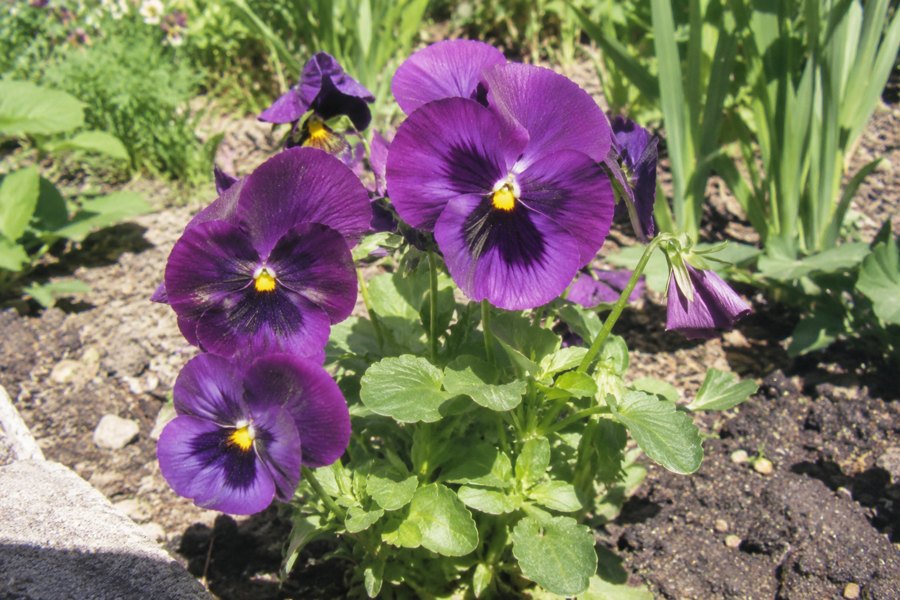
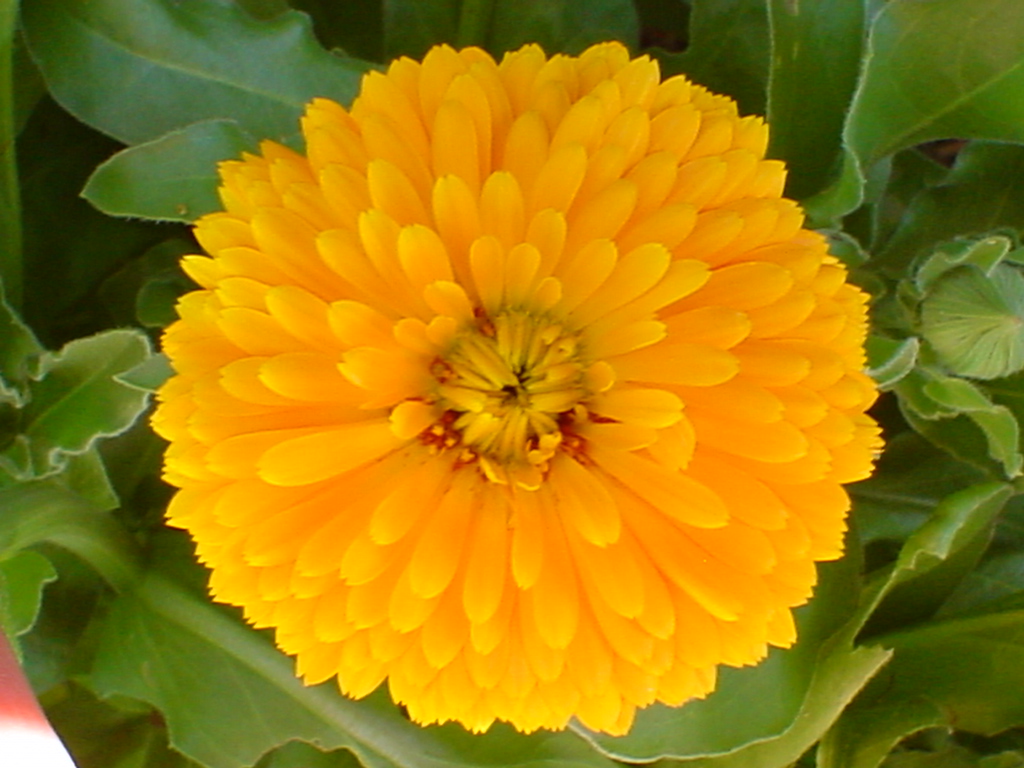
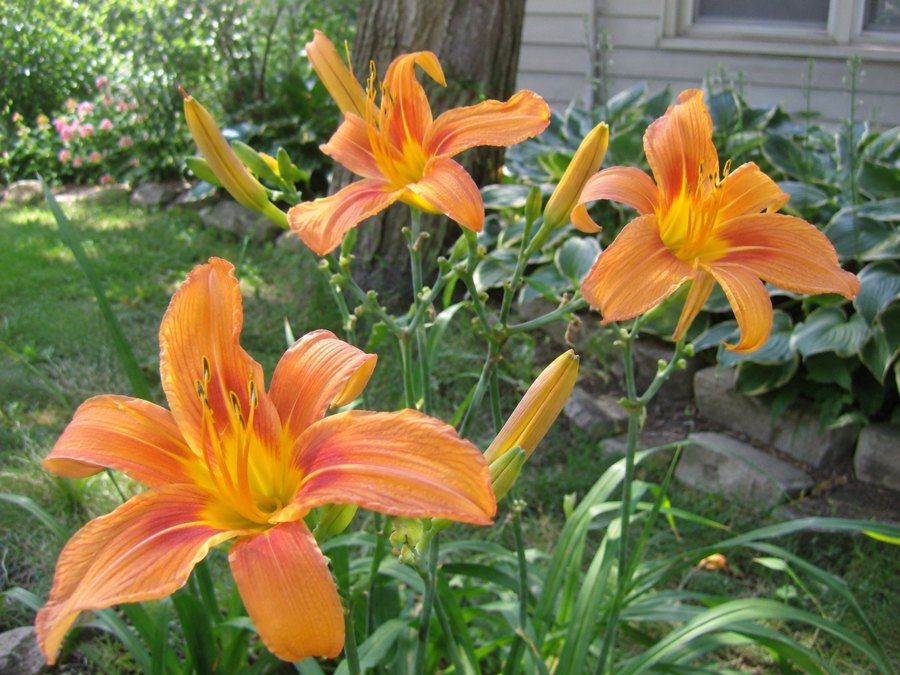
Among the flowers you may have in your garden, consider the edible portions of Anise Hyssop, Arugula, Bee Balm (Monarda), Tuberous Begonias, Calendula, Chrysanthemums, Daylilies, English Daisy, Dianthus, Honeysuckle, Lavender, Lilacs, Marigolds, Nasturtiums, Pinks (Dianthus), Roses, Sage, Scented Geraniums, Tulips, and of course Violas/Pansies/Johnny Jump-ups, and Violets.
We'll keep adding to the above edible flowers list – do check back here for updates on edible plants.
Which Parts Are Edible?
You'll want to check with an informed source to determine the edible parts of your flowers though. With some flowers, only the petals are edible. Some petals may have a white part of the petal that can be quite bitter and which you'll want to remove before continuing to eat the rest of the petal. With some of the other edible flowers, the entire flower is edible.
Remove the stamens and pistils if you are not sure whether the whole flower is edible. The pollen may also detract from the taste and may cause an allergic reaction in some people.
A Strong Word of Caution
DO NOT TAKE CHANCES! If a flowering plant is on any list of poisonous plants or if you are unable to find the plant on any list of edible plants, assume it is NOT edible and … DO NOT EAT IT!
The archive advised readers to check reliable sources before eating any flower. Plant identification and edible parts can vary, and this old archived article is not food-safety guidance.
Candied Flowers
You can use candied flowers as edible cake decorations and with cream pies, in cookies, pudding or ice cream, and on petits fours or hors d'oeuvres. Wedding cakes are dramatically stunning when covered with candied flowers.
Some of the edible flowers you may want to candy are Johnny Jump-ups, Lilacs, Rose petals, Violets, Pinks and annual Geraniums.
Be sure to use pesticide-free flowers. Pick your flowers in the morning when the blooms have just opened so they'll be fresh and crisp, and then plan to prepare them immediately.
Gently wash your flowers and sort for any critters that may be hiding amongst the petals. Lay the flowers out on paper toweling and allow an hour or so for the flowers to dry before candying them.
Candied Flowers Recipe
- Line a cookie sheet with waxed paper.
- Beat an egg white in a small bowl until it's frothy.
- Holding a flower by the stem, use a small paint brush to gently paint the petals with egg white; cover both sides thoroughly.
- Sprinkle a fine layer of superfine or bartenders' sugar over the back of the flower. Shake off the excess, snip off the stem, and lay the flower face up on the cookie sheet with the petals spread naturally.
- Sprinkle sugar over the front. When done, use a strainer to dust the flowers with a second coating of sugar.
- Put the flowers in a warm, dry place overnight or, if necessary, for a few days. The archived page suggested a pilot-light oven or low food dehydrator when the air was humid.
- Discard flowers that become deformed, or break them up to use as confetti.
- The archive suggested storing finished flowers in a tightly sealed, paper-towel-lined container in the freezer. Its stated storage period is historical and should not be treated as current food-safety advice.
Filed under: Flower Gardening